
African football continues to gift the world extraordinary talent and unforgettable footballing moments. Yet, the continent still faces persistent governance challenges that routinely undermine performance, development, and trust in our football institutions.
When I visited the University of Lagos a few weeks ago, a member of the audience asked the panel about government interference in African football. Interestingly, every panelist tried to sidestep the question. And honestly, it’s no surprise — it’s a loaded topic 😅. One that sits at the intersection of politics, power, and the fragile autonomy of our football institutions.
But the issue has resurfaced…..
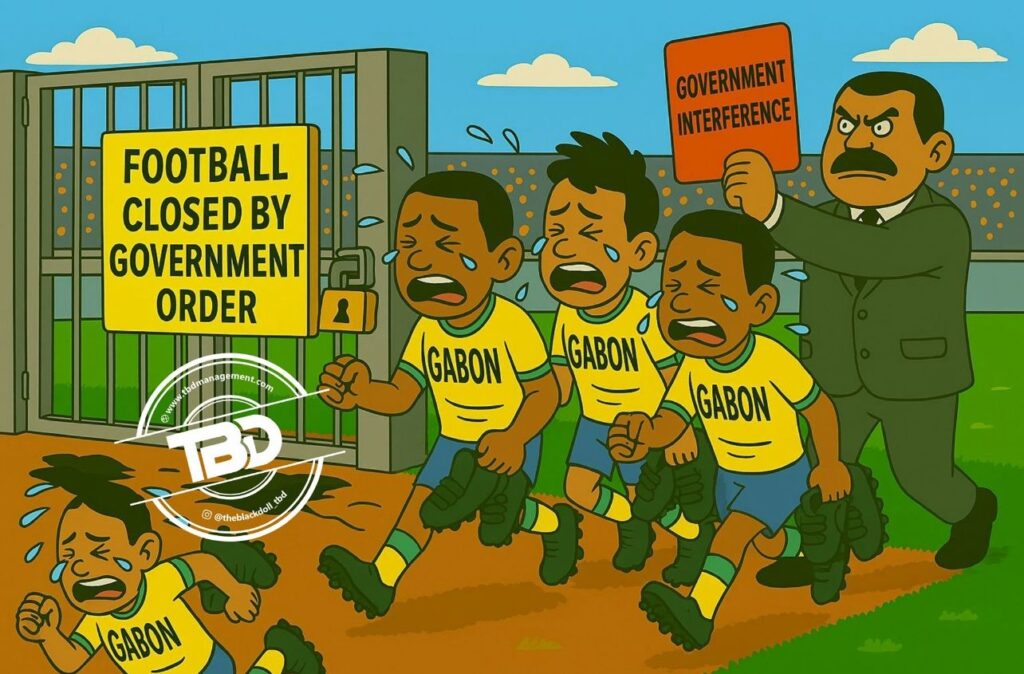
Following a disappointing AFCON outing for Gabon, the government has suspended the national team, dismissed the technical staff, and imposed bans on senior players.
Whilst the frustration is understandable. The method is not.
It’s a textbook case of political overreach, and it raises urgent questions about how FIFA regulations are applied — and enforced — across Africa.
Let’s unpack.
Under Articles 14 and 19 of the FIFA Statutes, football associations must run their affairs independently. This translates to no third party — including governments — may interfere in sporting decisions, which includes selecting players, disciplining players, or appointing/dismissing technical staff. So while governments may express concern, they cannot suspend a national team, ban players, sack coaches or dissolve technical structures.
…but the Government Pays the Bills…⁉️
I hear this argument often and it’s a fair question, because across Africa, public funding is often essential to football operations.
However, although funding may be allowed, control is not 😊
Think of it like a parent paying school fees:
They can support the child, but they cannot march into the school to fire teachers or supporting staff because their child is performing poorly at school.
FIFA has previously suspended several African nations for similar cases of government interference, including Kenya, Zimbabwe, Chad, and Sierra Leone. In 2018, FIFA also issued firm warnings to Nigeria and Ghana—Nigeria risked suspension if the elected NFF board was not reinstated, while Ghana faced the same threat due to government measures that compromised the GFA’s independence. Both countries ultimately took corrective action before the deadline, thereby avoiding a ban.
Gabon is now walking dangerously close to that same outcome.
African football can only grow when government support is paired with football autonomy.
To enjoy the full benefit of this post and read some comments, you can also view it on LinkedIn: